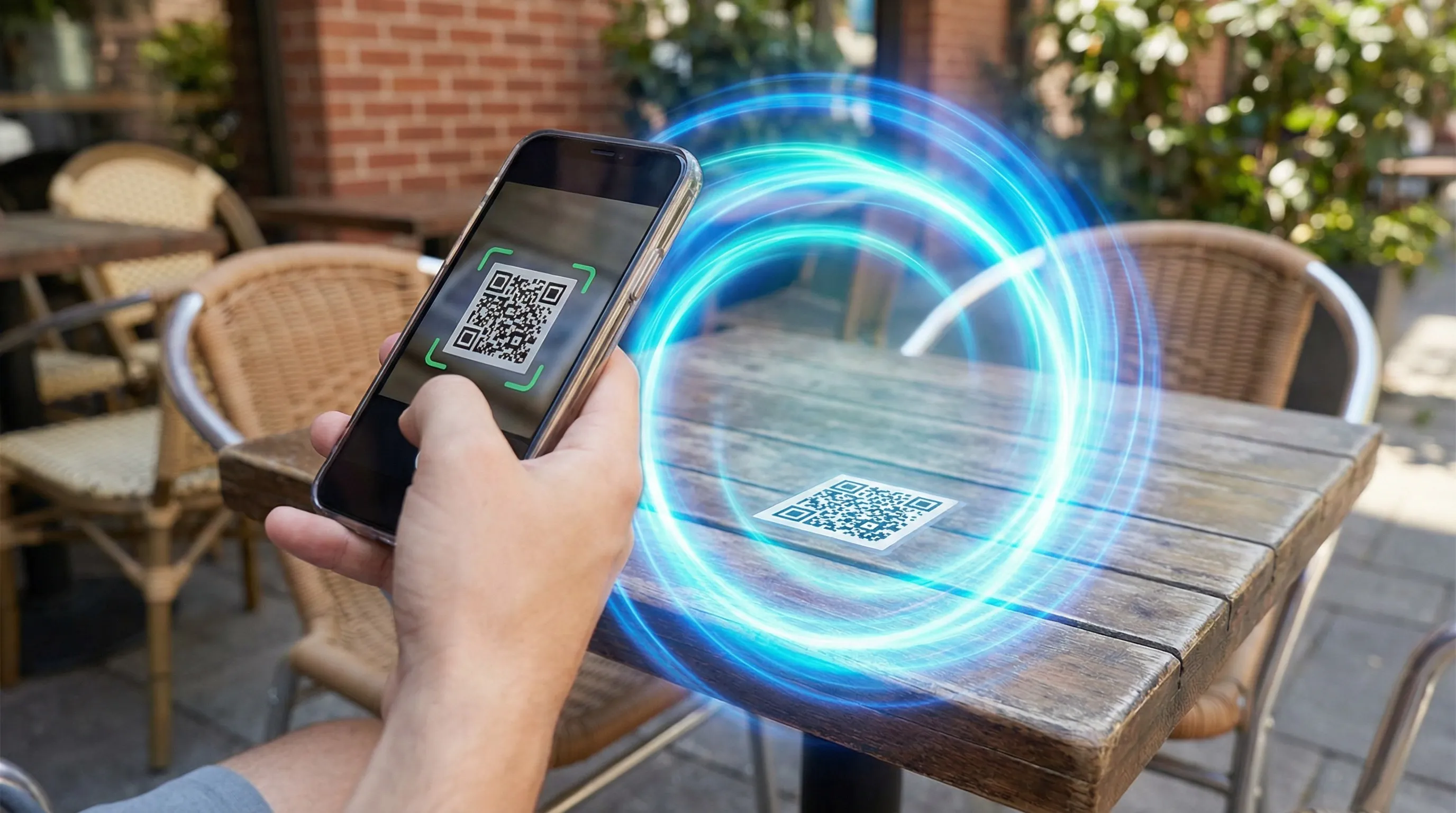
In our increasingly digital world, QR codes have seamlessly integrated into nearly every facet of daily life. From making payments and accessing menus to validating tickets and joining Wi-Fi networks, these quick-response squares offer unparalleled convenience. Yet, precisely because of their widespread adoption and the trust placed in them, a dangerous new frontier for cybercrime has emerged: the proliferation of fraudulent QR codes, commonly referred to as a Qr Falso. These deceptive digital squares pose significant risks, capable of compromising your privacy, draining your finances, and exposing you to various forms of digital fraud. Understanding the anatomy of a Qr Falso and adopting a cautious approach is no longer an option but a necessity for safeguarding your digital and financial well-being.
The Deceptive Mechanism Behind a "Qr Falso"
A Qr Falso is ingeniously designed to exploit the very trust and convenience that legitimate QR codes offer. Cybercriminals create these counterfeit codes with the sole purpose of tricking users into actions that ultimately benefit the scammer, rather than the user. Unlike a secure QR code that might include password protection or specific authentication, a Qr Falso is typically made to be easily scannable and widely distributed, maximizing its potential reach and victim count. Here’s a detailed look at how these fraudulent codes operate:
Redirection to Phishing Sites
One of the most common tactics employed by a Qr Falso is to redirect unsuspecting users to sophisticated phishing websites. Upon scanning, instead of landing on a legitimate page, you might find yourself on a site that perfectly mimics the login portal for your bank, a popular social media platform, an e-commerce store, or even a government service. These fake sites are meticulously crafted to look authentic, down to the last detail. Their primary goal is to harvest your sensitive information, such as login credentials, passwords, personal identification numbers, and even credit card details, as you unsuspectingly enter them. Once captured, this data can be used for identity theft, unauthorized transactions, or to gain access to other accounts.
Malware Distribution
Another grave danger associated with scanning a malicious Qr Falso is the potential for malware infection. These fraudulent codes can be programmed to initiate an automatic download of malicious software onto your device the moment they are scanned. This malware can range from spyware that silently tracks your online activities and steals personal information, to ransomware that locks your files until a payment is made, or even Trojan horses that create backdoors for further attacks. The consequences can be severe, leading to data loss, device compromise, and a significant breach of your privacy.
Promotion of Scams and Fake Offers
A Qr Falso can also be a gateway to various promotional scams and fake offers. These codes often link to websites or landing pages that present enticing, often too-good-to-be-true, deals, discounts, or contests. The aim is to create a sense of urgency or scarcity, pressuring you to act quickly without critical thought. You might be asked to share personal details to claim a prize, send a small "processing fee" to unlock a large sum, or click on additional malicious links. These tactics are designed to either directly defraud you of money or to collect your personal data for future targeted attacks, playing on your desire for a good deal.
The "Quishing" Threat: QR Codes in Fake Packages
The ingenuity of cybercriminals knows no bounds, constantly evolving their methods to ensnare more victims. One particularly insidious form of Qr Falso fraud that has seen a significant rise recently is known as "quishing" – a portmanteau of QR codes and phishing. This highly deceptive scheme leverages the increasing popularity of online shopping and home deliveries to target unsuspecting individuals. Authorities, such as the Secretariat of Citizen Security of Mexico City (SSC-CDMX) and its Cyber Police, have issued urgent alerts regarding this specific modus operandi. To learn more about this evolving threat, refer to our related article on Quishing Alert: How Fake QR Codes Steal Your Personal Info.
The quishing scam typically unfolds in three meticulously planned stages:
- The Unsolicited Delivery: The initial stage involves the arrival of an unexpected package at your home. This package is often something you didn't order or anticipate receiving. The element of surprise and the human tendency to accept deliveries can disarm your suspicion.
- The Lure (The Hook): Attached to this unsolicited package is a prominent Qr Falso. The accompanying instructions often demand that you scan this QR code to "validate the delivery," "confirm receipt," or "resolve a shipping issue." This creates a false sense of obligation and urgency, prompting you to interact with the code.
- The Theft: Once the Qr Falso is scanned, you are redirected to a fraudulent website. This site is crafted to appear as a legitimate delivery service portal or a payment verification page. Here, you are prompted to enter personal information, banking details, or other sensitive data under the guise of completing the delivery process. In reality, this information is instantly stolen by the criminals, leading to financial losses, identity theft, and severe privacy breaches.
This method preys on our trust in delivery services and our eagerness to resolve perceived issues with packages. The key takeaway is to be highly suspicious of any unsolicited packages that require QR code scans for validation.
How to Identify and Protect Yourself from a "Qr Falso"
Distinguishing between a legitimate QR code and a Qr Falso is paramount to protecting your data and finances from phishing scams and other forms of cyber fraud. Vigilance and a few simple checks can significantly reduce your risk. For an in-depth guide, check out our article: Detect Fake QR Codes: Protect Your Data: Protect Your Data from Cyber Scams.
Visual Cues & Physical Inspection:
- Clarity and Quality: Legitimate QR codes are typically crisp, clear, and well-printed. A Qr Falso might appear blurry, pixelated, or distorted due to poor printing quality or being hastily pasted over an original. Look closely for any signs of manipulation.
- Tampering or Overlays: Always inspect the physical environment of the QR code. Is it a sticker placed on top of an existing, legitimate QR code? Does it look like it's been tampered with or poorly affixed to a surface? Scammers often paste fake QR codes over genuine ones in public places like parking meters, restaurant tables, or advertisements.
- Unusual Placement: If a QR code is in an unexpected or odd location, or if its presence seems out of context for the situation, it's a major red flag.
Contextual Scrutiny:
- Source Verification: Is the QR code from a known and trusted source? Be extremely wary of codes found in unsolicited emails, text messages, or physical mail, especially those related to packages you didn't order.
- Unusual Requests: Question why you are being asked to scan a QR code. Does it align with the service or information you expect to receive? For instance, your bank will rarely ask you to scan a QR code to log in or verify your account details.
- Sense of Urgency: Be suspicious of any QR code prompts that create a high-pressure, urgent situation, such as "Scan now to avoid fees!" or "Limited-time offer, scan immediately!" This is a classic scammer tactic to bypass critical thinking.
Technological Safeguards:
- Preview the URL: Many modern QR code scanner apps offer a preview of the URL before redirecting you to the website. Always utilize this feature. Examine the URL carefully for any inconsistencies, typos, or suspicious domain names. For instance, a bank's URL should be their official domain, not a slightly altered version. Ensure it uses HTTPS.
- Maintain Antivirus Software: Keep up-to-date antivirus and anti-malware software on all your devices (smartphones, tablets, computers). This acts as a crucial last line of defense, potentially blocking malicious downloads or detecting phishing attempts.
- Verify After Scanning: Even after scanning, before entering any information, re-verify the URL in your browser's address bar. Compare it to the legitimate service's known website. If anything looks off, close the page immediately.
- Two-Factor Authentication (2FA): Enable 2FA on all your critical online accounts. Even if a scammer steals your password via a Qr Falso phishing site, 2FA can provide an additional layer of security, making it harder for them to access your accounts.
Furthermore, never provide sensitive data like passwords or banking information unless you are absolutely certain of the legitimacy of the request and the website. If you receive an unsolicited package, verify its existence directly with the courier service or sender through their official channels, not by scanning a code on the package itself. Document any suspicious information through photos or screenshots to report to authorities if necessary.
Conclusion
The pervasive nature of QR codes has undoubtedly brought immense convenience to our lives, but with it comes the imperative to stay vigilant against the evolving threat of the Qr Falso. From sophisticated phishing redirects and insidious malware distribution to the cunning "quishing" scams involving fake packages, the methods employed by cybercriminals are diverse and continually adapting. By understanding how these fraudulent codes operate, recognizing the tell-tale signs of a scam, and diligently implementing protective measures such as scrutinizing sources, previewing URLs, and maintaining up-to-date security software, you can significantly fortify your defenses. In the digital age, being informed and exercising caution are your most powerful tools against digital fraud and for guarding your finances and privacy against these deceptive digital threats.