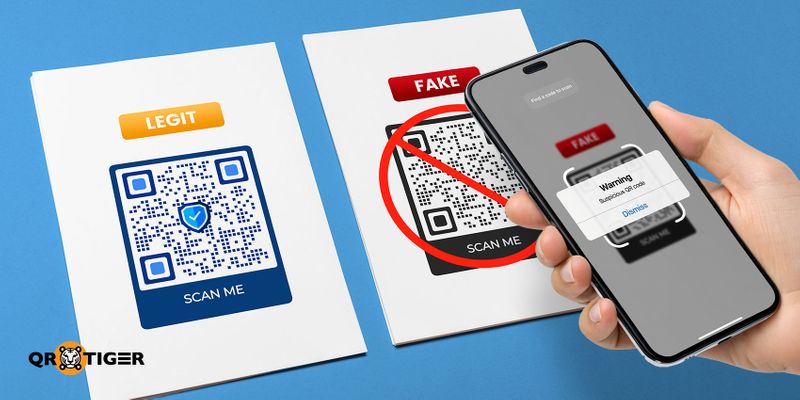
Detect Fake QR Codes: Protect Your Data from Cyber Scams
In our increasingly digitized world, QR codes have become an indispensable part of daily life. From making contactless payments and accessing restaurant menus to boarding passes and exclusive content, these humble black-and-white squares offer unparalleled convenience. However, this very ubiquity and ease of use have turned them into fertile ground for cybercriminals. The rise of QR Code Scams: Guard Your Finances & Privacy Against Fraud, specifically those involving a Qr Falso (fake QR code), poses a significant threat to our personal data, financial security, and overall digital well-being.
Falling victim to a sophisticated fake QR code scam can lead to severe consequences, ranging from compromised online accounts and identity theft to direct financial losses. Understanding why these deceptive codes are so dangerous and, more importantly, how to identify and avoid them, is paramount in safeguarding yourself against digital deception.
The Deceptive Power of a Fake QR Code (Qr Falso)
A fake QR code, or Qr Falso, is a malicious code designed to exploit the trust and convenience associated with legitimate QR technology. Unlike secure QR codes, which might incorporate password protection or multi-factor authentication, a fake QR code is often crafted to be easily accessible and quickly scanned, maximizing its victim count. Cybercriminals leverage the rapid scan-and-go nature of QR codes to trick users into performing actions that ultimately benefit the scammer.
The danger lies in the seamless transition from physical to digital that QR codes offer. A user sees a code, scans it, and instantly expects to be taken to a legitimate destination. This expectation of immediate access and trustworthiness is precisely what scammers manipulate. They capitalize on moments when users are less vigilant, such as when they are in a hurry or in a public setting.
How a Malicious QR Code Operates
Understanding the common tactics employed by a Qr Falso is the first step in protecting yourself:
- Redirection to Phishing Sites: Once scanned, a fake QR code often redirects you to a meticulously crafted phishing website. These sites are designed to mimic legitimate login pages for banks, social media platforms, e-commerce sites, or other trusted services. The goal is to trick you into entering your sensitive credentials, such as usernames, passwords, or even credit card details, which are then harvested by the scammers.
- Malware Distribution: In some cases, scanning a malicious QR code can initiate an unauthorized download of malware onto your device. This malware can be incredibly dangerous, capable of stealing personal information, tracking your online activities, compromising your device's security, or even encrypting your files for ransomware demands.
- Promotion of Fake Offers and Scams: A Qr Falso might link to websites advertising fraudulent offers, irresistible promotions, or lottery winnings. These scams often employ urgency or scarcity tactics to pressure you into sharing personal information, transferring money, or clicking on further malicious links without critical thought. The promises are too good to be true, designed to bypass your common sense.
Unmasking the "Quishing" Threat: The Fake Package Scam
Cybercrime is constantly evolving, and one of the latest sophisticated forms of QR code fraud is known as "quishing." This particular scam, highlighted by authorities like the Secretaría de Seguridad Ciudadana de la CDMX (SSC-CDMX) and its Cyber Police, involves fake packages and deceptive QR codes. It's a growing threat that combines traditional social engineering with modern technology.
The modus operandi of quishing typically unfolds in three stages:
- The Delivery: A package arrives at your home, often with a convincing label, despite you not having ordered or expecting any such delivery. This unsolicited arrival creates confusion and curiosity.
- The Hook: The package or an accompanying note instructs you to scan a QR code to "validate the delivery," "confirm receipt," "pay a small fee," or "reschedule delivery." This is the bait designed to make you act without thinking.
- The Theft: Once the Qr Falso is scanned, you are typically redirected to a fake website that demands your personal information, banking details, or login credentials under the guise of completing the delivery process. Your data is then stolen.
The insidious nature of quishing lies in its ability to target individuals at their homes, creating a false sense of legitimacy and urgency around a physical object. For more detailed insights into this specific threat, read our article Quishing Alert: How Fake QR Codes Steal Your Personal Info.
Practical Strategies to Detect a Qr Falso
Knowing how to differentiate between a legitimate QR code and a Qr Falso is crucial for minimizing your risk. Here are key characteristics and proactive steps to verify its legitimacy:
- Scrutinize the Physical Code and Placement:
- Clarity and Quality: Legitimate QR codes are typically crisp, clear, and well-printed. A fake QR code might appear blurry, pixelated, or poorly printed.
- Tampering Signs: Be wary if the QR code looks like a sticker placed over another QR code or an existing advertisement. Scammers often cover legitimate codes with their malicious ones in public places like parking meters, restaurant tables, or official posters.
- Contextual Relevance: Does the QR code appear in an unusual or unexpected place? For example, a random QR code on a bench or a plain email could be suspicious.
- Preview the URL Before Clicking: Many modern QR code scanner apps offer a preview of the destination URL before you actually navigate to it. Always take advantage of this feature.
- Check for HTTPS: Ensure the URL begins with "https://" (the 's' stands for secure).
- Verify the Domain: Look for typos, misspelled brand names (e.g., "Amaz0n.com" instead of "Amazon.com"), or unusual subdomains. If it's a banking site, ensure the domain is *exactly* that of your bank.
- Shortened URLs: Be extra cautious with shortened URLs (e.g., bit.ly, tinyurl.com) as they obscure the true destination. While not all are malicious, they are often favored by scammers.
- Verify the Source:
- Official Sources: Only scan QR codes from official, trusted sources. If it's for a payment, confirm the vendor is legitimate. If it's for an event, check the event organizer's official website.
- Unsolicited Packages: As with quishing, if you receive an unexpected package or message asking you to scan a QR code, always verify the sender directly through official channels (e.g., the shipping company's main website, not through links in the suspicious message).
- Use a Secure QR Code Scanner: Some security-focused QR code scanner apps have built-in safety features that can detect and warn you about suspicious links or potential threats before you proceed. Research and choose a reputable scanner app.
Essential Safeguards Against QR Code Scams
Beyond detecting a Qr Falso, adopting a proactive security posture is vital:
- Never Provide Sensitive Data Unnecessarily: Be extremely hesitant to input personal information, especially passwords, banking details, or Social Security numbers, after scanning a QR code, particularly if the request feels unusual or urgent.
- Maintain Updated Antivirus Software: Ensure your mobile devices and computers have up-to-date antivirus and anti-malware protection. This can help detect and block malicious downloads or phishing attempts even if you accidentally scan a fake code.
- Regularly Review Financial Statements: Keep a close eye on your bank and credit card statements for any unauthorized transactions. Report suspicious activity immediately.
- Document Suspicious Information: If you encounter a suspicious QR code or scam attempt, take photos, screenshots, or videos. Documenting the incident can be helpful for reporting it to authorities or the platform where you found the code.
- Educate Yourself and Others: Stay informed about the latest cyber threats and share this knowledge with friends and family, especially those who may be less tech-savvy.
Conclusion
QR codes offer immense convenience, but their widespread use has unfortunately paved the way for new forms of digital deception. The threat of a Qr Falso is real and ever-present, capable of compromising your data, privacy, and financial security. By adopting a skeptical mindset, scrutinizing QR codes and their surrounding context, previewing URLs, and maintaining strong digital security practices, you can significantly reduce your risk of falling victim to these cunning cyber scams. Stay vigilant, stay informed, and protect your digital footprint in an increasingly interconnected world.